
Buying a Home on Pilings Over Puget Sound: The Inspections and Due Diligence You Cannot Skip
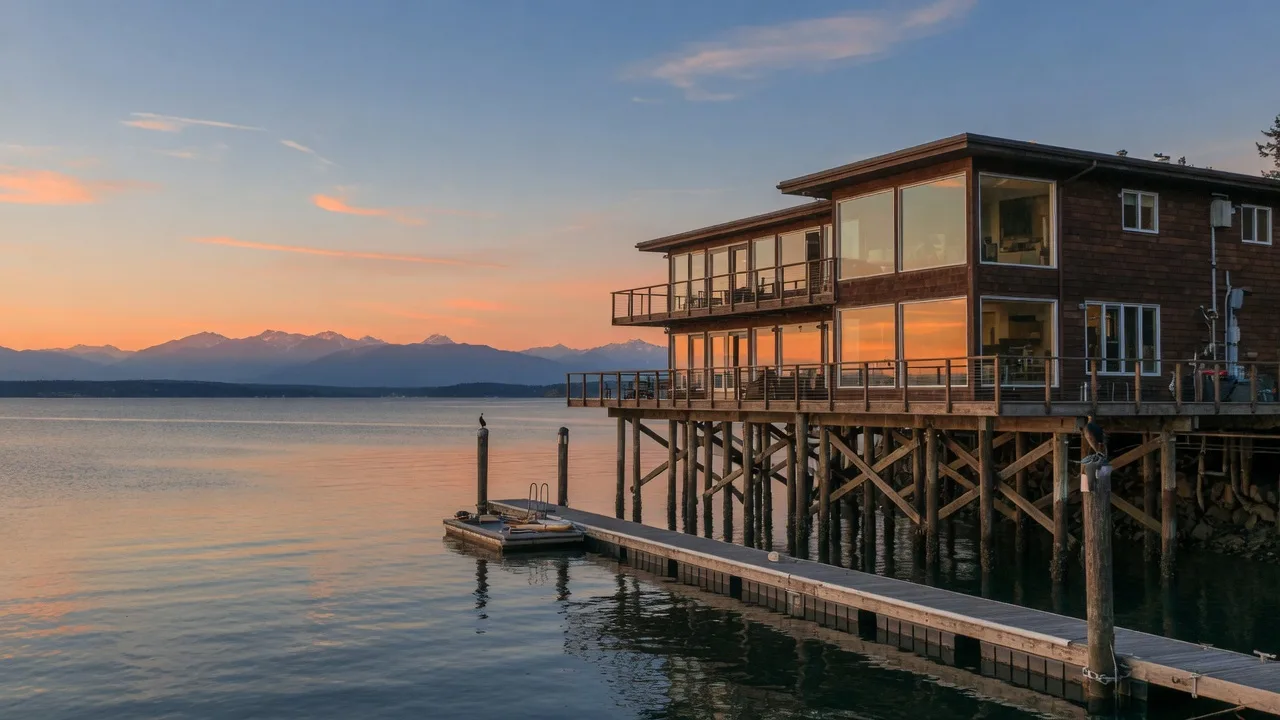
Waterfront homes built on pilings over the Puget Sound are some of the most spectacular properties in the Pacific Northwest. The views are unmatched, the lifestyle is one-of-a-kind, and the value of these homes reflects that. But buying a home on pilings comes with a level of complexity that most standard residential transactions do not require.
If you are considering a home that sits over the water, here is what you need to know about inspections and due diligence before you commit.
Why Standard Inspections Are Not Enough
A typical home inspection covers the basics — roof, HVAC, plumbing, electrical, foundation. That inspection is important, but it does not account for the unique structural and environmental challenges that come with a home built over water.
Homes on pilings are exposed to constant moisture, salt air, tidal forces, and marine organisms that standard homes never face. The inspection process needs to go deeper — literally and figuratively.
Structural Inspection of the Pilings
This is the single most important inspection you can commission on a waterfront piling home. The pilings are the foundation. If they are compromised, everything above them is at risk.
What to look for:
- Marine borer damage. Puget Sound is home to shipworms and other marine organisms that bore into wood pilings over time. This damage can be severe and often occurs below the waterline where it is not visible during a casual walk-through. A qualified marine surveyor or structural engineer should inspect the pilings, including the submerged portions, using dive inspections or sonar if necessary.
- Piling rot and deterioration. Even without marine borers, constant exposure to moisture accelerates wood decay. Check for soft spots, discoloration, and structural weakness.
- Piling age and replacement history. Ask the seller when the pilings were last inspected or replaced. Older pilings — especially those that have never been replaced — are a red flag.
- Cross-bracing and connections. The structural framework that connects the pilings to each other and to the home must be solid. Look for corrosion on metal connectors, loose bolts, and signs of movement or shifting.
Hire a structural engineer or marine surveyor who specializes in waterfront properties. This is not the time to rely on a general home inspector, even a good one.
Deck and Substructure Inspection
The deck and the structural elements beneath the home are constantly exposed to the elements. Pay close attention to:
- Deck boards and framing. Wood that is constantly damp deteriorates faster. Look for warping, splitting, soft spots, and fastener failure.
- Support beams and joists. These carry the load of the home and need to be free of rot, insect damage, and structural fatigue.
- Under-deck drainage and moisture barriers. If water is pooling or flowing where it should not be, that accelerates decay throughout the structure.
Roof and Exterior
Salt air is corrosive and relentless. It affects roofing materials, gutters, flashing, and exterior finishes faster than inland conditions.
- Roof condition and remaining lifespan. A roof that would last 25 years inland may have a shorter life over water. Check for corrosion on metal roofing, deterioration of shingles, and sealant failure.
- Gutters and drainage. Clogged or corroded gutters lead to water intrusion and fascia rot.
- Window and door seals. Salt air and moisture penetration around openings can cause hidden damage inside walls.
- Exterior finishes. Paint, siding, and trim all degrade faster in a marine environment. Check for peeling, cracking, and exposed substrate.
Plumbing and Sewer
Homes on pilings often have unique plumbing configurations, especially for sewer lines that must navigate the substructure to reach municipal connections.
- Sewer line condition. Have the sewer lateral inspected with a camera. Lines that run through or under the substructure are vulnerable to damage, corrosion, and root intrusion.
- Water supply lines. Check for insulation, corrosion, and freeze risk, especially for lines that run through exposed or unheated areas beneath the home.
- Septic systems. If the home uses a septic system rather than municipal sewer, the system needs a thorough inspection including tank condition, drain field performance, and compliance with current environmental regulations.
Environmental and Permitting Due Diligence
This is where waterfront purchases get significantly more complex than standard residential transactions.
- Shoreline Management Act compliance. Washington's Shoreline Management Act regulates development along shorelines, including structures built over water. Verify that the home and any additions or modifications are in compliance. If there are unpermitted alterations, you could face costly remediation requirements.
- Critical areas designation. Puget Sound shoreline properties often fall within regulated critical areas — wetlands, fish and wildlife habitat conservation areas, and erosion hazard zones. Confirm the property's designation and any restrictions that come with it.
- Permits and approvals. Request copies of all permits associated with the home's construction, any modifications, and the piling structure itself. Unpermitted work on a waterfront property can create serious legal and financial liability.
- Environmental restrictions. Check for any environmental covenants or restrictions on the property that could affect future modifications, renovations, or use of the shoreline.
Insurance
Insuring a home on pilings over water is different from insuring a standard home, and the cost reflects that.
- Flood insurance. Even if the home is not in a FEMA-designated flood zone, lenders and common sense may still require flood insurance for a home over water. Get quotes early — the cost can be significant.
- Wind and storm damage. Waterfront properties are more exposed to wind and storm damage. Verify that the policy covers these risks adequately.
- Marine hazard coverage. Ask about coverage for damage caused by marine organisms, salt corrosion, and tidal events. Standard homeowner's policies often exclude these risks.
Title and Legal Review
Waterfront properties sometimes come with unique title considerations.
- Water rights and tidelands. In Washington, the state owns the beds of navigable waters up to the ordinary high water mark. Verify that the property includes valid riparian rights or tidelands grants, and understand what you can and cannot do with the water-adjacent portions of the property.
- Easements and access. Some waterfront properties have shared access points, utility easements, or right-of-way agreements that affect the property. Review these carefully with a real estate attorney.
- HOA or community restrictions. If the property is part of a waterfront community or homeowners association, review the CC&Rs carefully — they may impose additional restrictions on modifications, use of the shoreline, and dock access.
What to Ask the Seller
Beyond the inspections, request the following from the seller:
- Complete maintenance and repair history for the pilings and substructure.
- Records of any marine borers or pest inspections.
- Permit history for all construction, modifications, and additions.
- Insurance claim history, especially for water-related or storm damage.
- Details on any known issues with the sewer, water supply, or septic system.
The Bottom Line
Buying a home on pilings over the Puget Sound is not like buying a home on solid ground. The rewards are extraordinary — the views, the lifestyle, the connection to the water — but the due diligence requirements are significantly more involved.
The key is assembling the right team. A general home inspector is a starting point, but you also need a marine surveyor or structural engineer, a real estate attorney familiar with waterfront regulations, and an insurance broker who understands the unique risks involved.
If you are considering a waterfront purchase in the Puget Sound area, let's talk. I work with these properties regularly and know the questions to ask, the inspectors to trust, and the red flags that matter. Proper due diligence protects your investment — and it is the difference between a dream home and a nightmare.